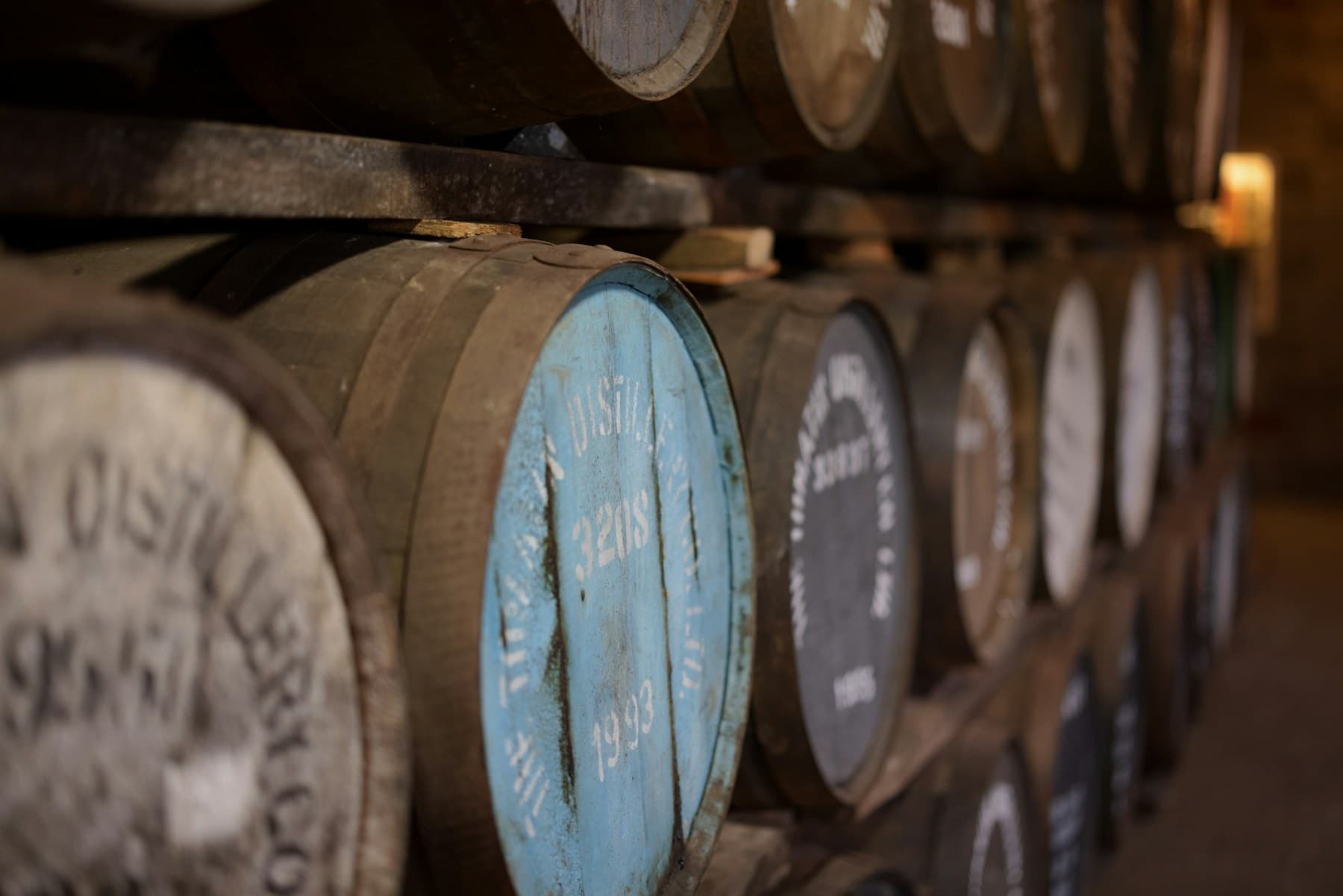
Whisky cask sizes: octave, quarter, barrel, hogshead, butt
Whisky casks do not come in one standard size. Size influences the relationship between wood surface and spirit, which can affect how strongly wood shapes maturation.
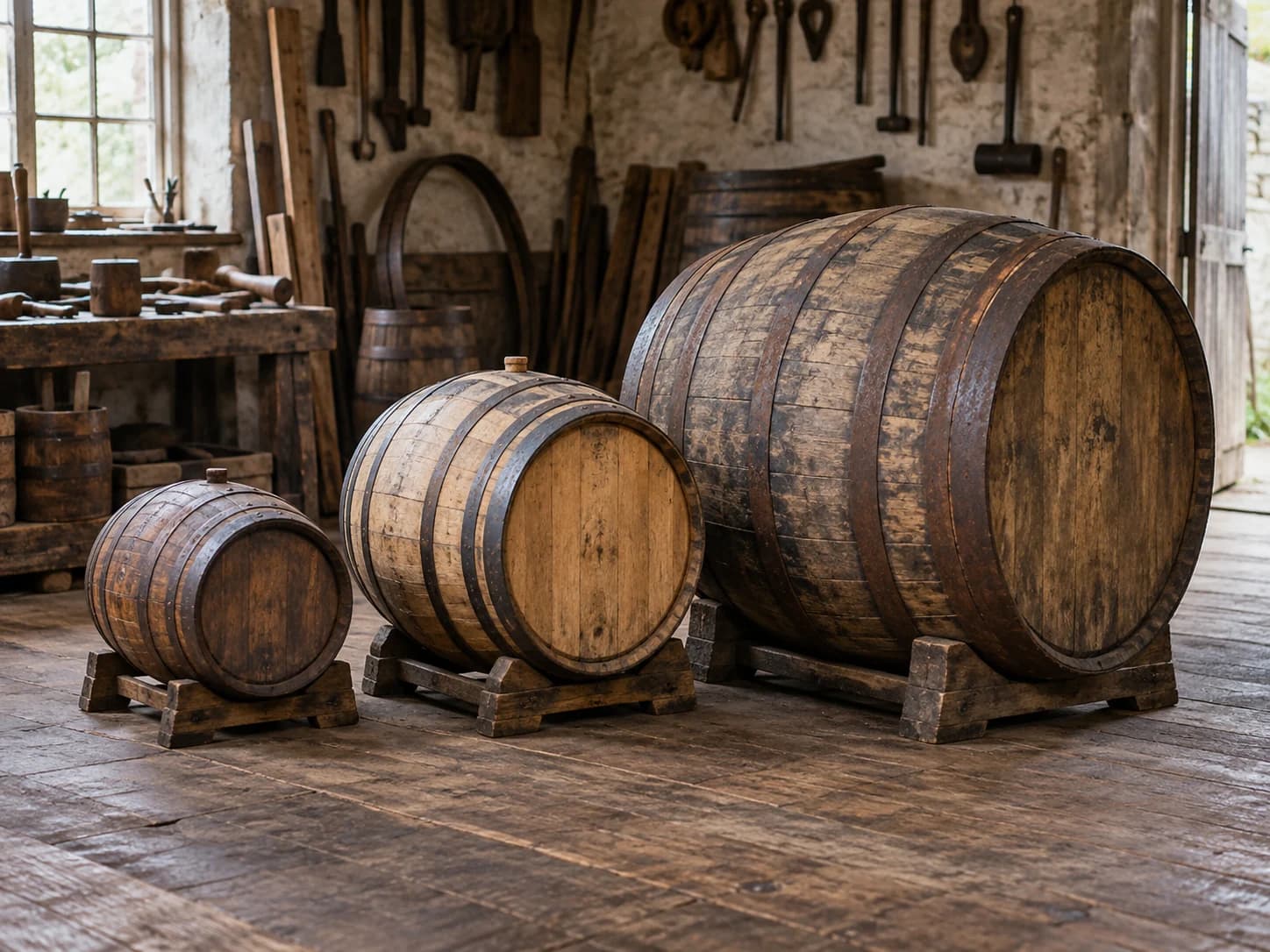 AI-generated
Smaller casks and more wood surface
Smaller formats such as octaves or quarter casks bring relatively more wood surface into contact with the spirit. This can make the influence of wood apparent earlier.
A smaller cask is not a shortcut to quality. Wood, previous use, spirit and storage still need to be considered together.
Barrel, hogshead and butt
Barrel, hogshead and butt are larger formats commonly found in whisky. Their exact sizes and origins can vary by maker and conversion.
A cask profile should therefore name the cask type precisely instead of simply referring to a wooden cask.
Why size matters for maturation
Cask size changes the relationship between wood and spirit. It is one factor among several and never explains a whisky's later character on its own.
Together with wood type, previous use and warehouse conditions, it helps put a cask's development into context.
Journal
Continue the cask story.
Three carefully chosen reads that add the next useful chapter.
Frequently asked questions
- What whisky cask sizes are common?
- Common terms include octave, quarter cask, barrel, hogshead and butt. Exact sizes can vary by maker and cask type.
- Why does cask size influence maturation?
- It changes the relationship between wood surface and spirit, which is an important influence on maturation.