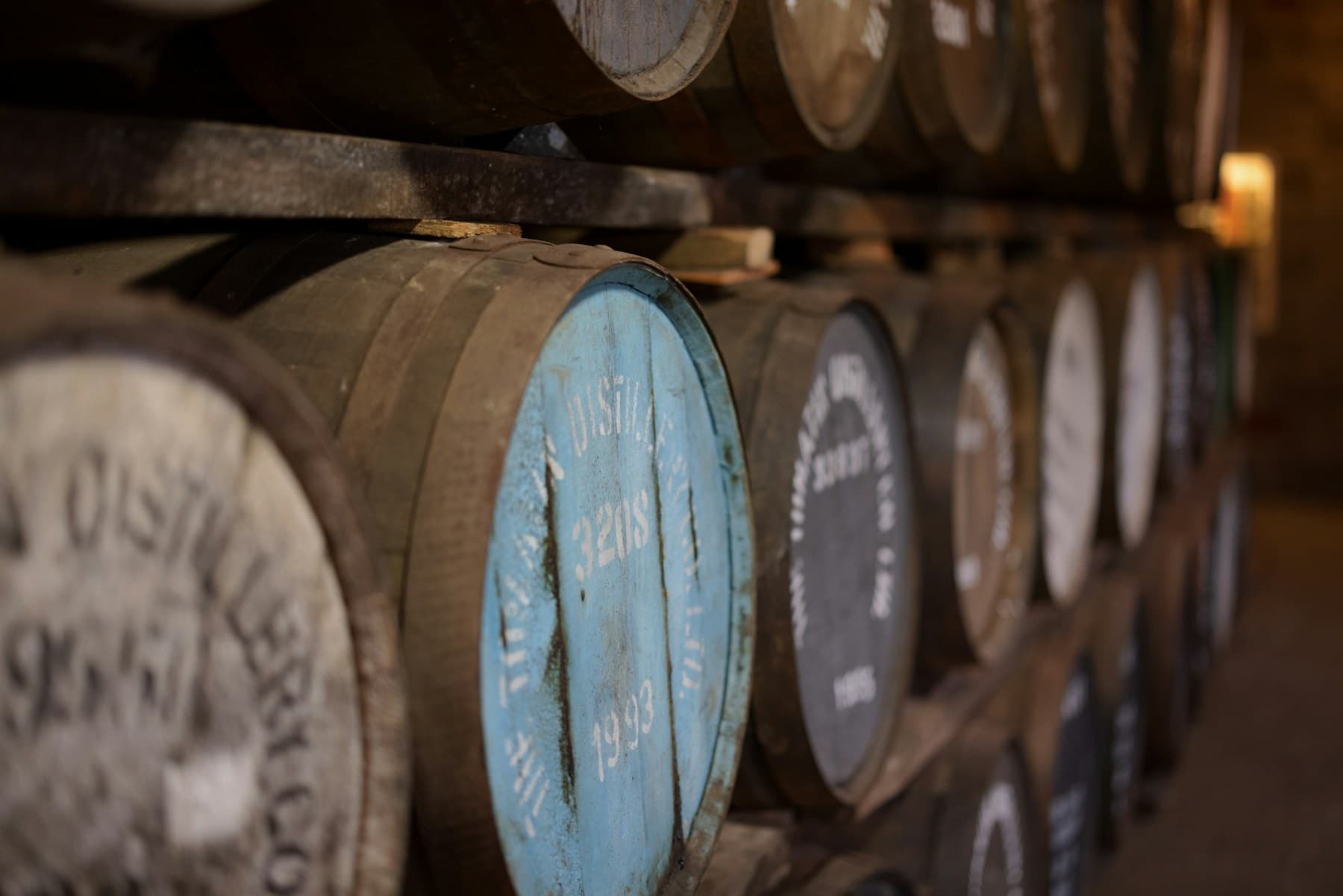
How whisky cask sharing works, from filling to bottling
Cask sharing follows the story of one specific cask. From the first profile to bottling, what matters is which information is documented transparently.
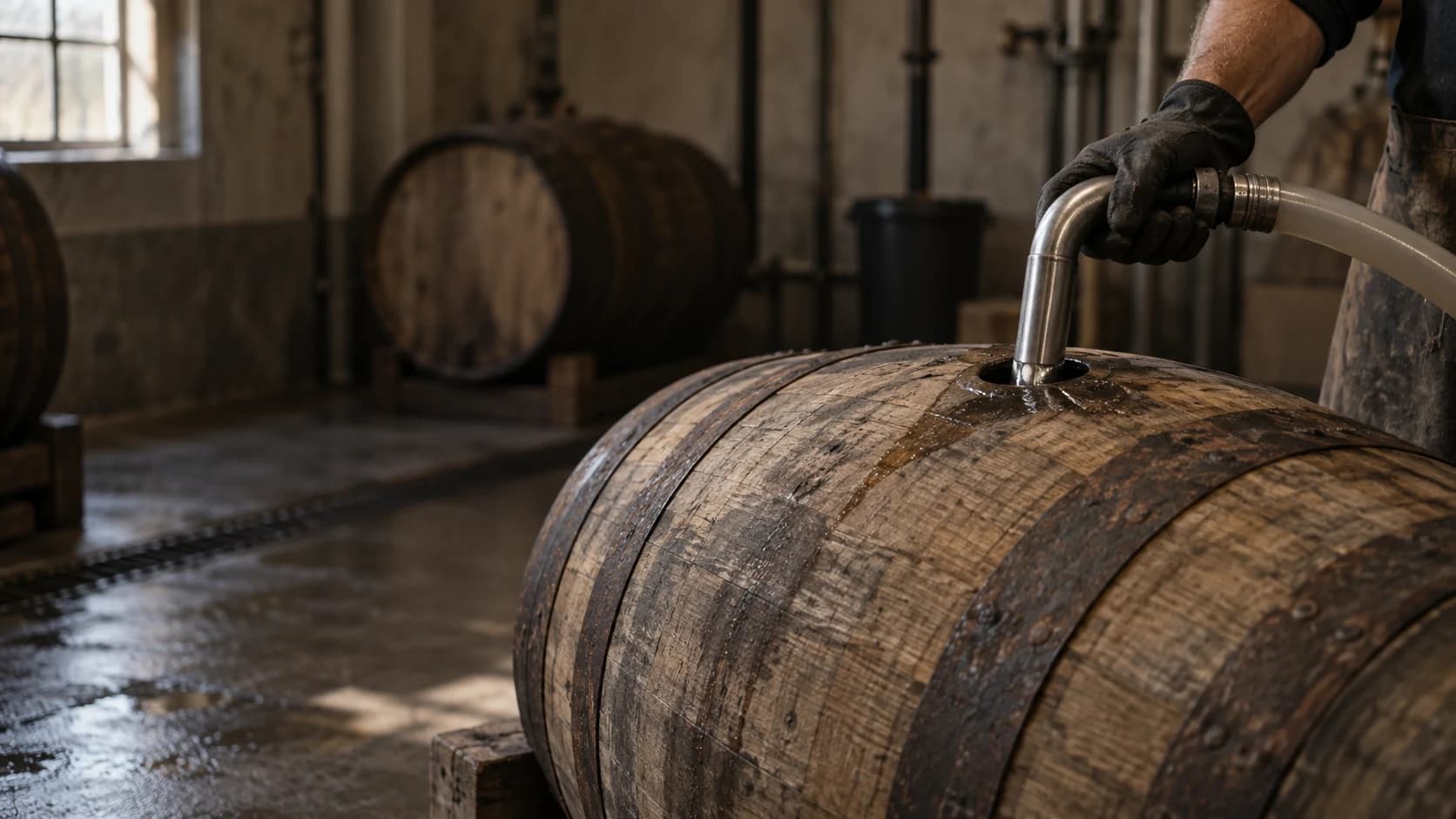 AI-generated
From cask to glass.
Six stages. One shared story.
The beginning.
Cask number, filling date and wood type create the record for this particular cask.
Illustrative sequence. Dates, responsibilities and allocation follow the agreement for the particular cask.
The cask profile comes first
A cask profile gives a cask context: distillery, origin, cask type, filling and current maturation help tell its ongoing story.
These details keep a cask distinct from a general whisky category. A single cask remains its own combination of wood, spirit and time.
Maturation in the warehouse
During storage, wood, temperature and humidity interact. A cask develops colour, texture and aroma over a period that cannot be predicted in general terms.
Good communication explains this maturation clearly without turning it into a guarantee.
Preparing for bottling
When a cask is prepared for bottling, the practical steps become relevant. These include timing, quantity, labelling and the transport route.
For cross-border arrangements in particular, the applicable rules should be checked in good time.
Step 1: Understand the cask and its starting data
The starting point is a particular cask, rather than an order for a finished bottle. First check the cask number, distillery and region. Then look at filling and wood details: when was it filled, what type of cask is used, and what did it contain previously? These details describe the starting point. If the cask is already maturing, its history and current documentation matter too. A year in the product name is not a substitute for a complete filling date.
It is just as important to identify missing information. Is a warehouse named, or only a region? Is there a recent measurement of volume and alcoholic strength? Are samples mentioned without dates? Collect these questions before comparing quantities. Two offers can have the same share price while giving very different information about storage duration, eventual bottle yield or included services. Calling both a cask share does not automatically make them equivalent.
Step 2: Read share quantity, included services and price together
The total number of shares shows how the cask is divided. With 150 equal shares, ten shares represent approximately 6.67 per cent of the cask. That alone does not establish the eventual bottle size or how remaining liquid will be handled. Read the proposed bottling arrangements as well. They should distinguish agreed rules, estimated quantities and decisions that remain open. An expected bottle count is different from an explicitly agreed minimum allocation.
Consider the price alongside what it includes. Which storage and insurance arrangements are covered? What applies to later bottling, bottles, labels, transport and administration? For additional charges, you need either an amount or a clear basis for calculating it. Information that has not yet been determined should remain clearly identified as such. The public cask page provides an introduction; before choosing in the customer area, read the costs and conditions applicable to that particular offer.
Step 3: Choose in the customer area and retain the documentation
Once you find a suitable cask, the public page links to the customer area, where the next steps follow the process available for that offer. Check that the cask name and number match the page you were viewing, and confirm the number of shares selected. Keep the confirmation, the conditions applicable at the time and the payment documentation. Saving a link alone will not preserve information if the page changes later.
The cask remains in its designated storage after this step. Your share does not mean that a corresponding quantity is immediately transferred into smaller containers. The contents mature together, which is what connects the shares. Who administers the cask, who contacts the warehouse and how you receive updates should be documented. A digital overview is useful, but does not replace clear identification of the participants and their responsibilities.
An example timeline from filling to bottling
A simple timeline helps distinguish the stages. In fictional year zero, a cask is filled with 250 litres and divided into 150 shares. Years one to three focus on continued storage. Later, samples and updated measurements can inform further planning. For our example, we assume a decision about bottling in year ten. This is an educational sequence, not the platform’s standard timetable or a statement about a cask on offer.
A share may also be offered after the original filling. Someone joining in year five, for example, is not starting with a freshly filled cask. Further planning then depends on its existing condition and the intended remaining storage period. Always distinguish three dates: filling, your selection and planned bottling. Otherwise, a description such as ten years can easily be mistaken for a waiting period when it actually describes the whisky’s age.
Step 4: Follow maturation and interpret measurements
Aroma, colour and texture change during maturation. At the same time, liquid can evaporate. In a purely illustrative model with two per cent annual volume loss, 250 litres become around 204.27 litres after ten years. This calculation does not replace an actual measurement. It simply explains why the liquid initially represented by a share does not remain constant. Samples or transfers should also be taken into account when comparing volumes later.
Dates and context matter when interpreting an update. Does the information come from a tasting or a measurement? What alcoholic strength was recorded, and when was the volume measured? Tasting impressions and numbers answer different questions. A sample does not establish the total volume, and a litre figure does not describe the flavour. Clear reports keep these matters distinct and also indicate when the timetable remains undecided or has changed.
Step 5: Prepare for bottling
Several decisions need to fit together before bottling: the desired strength, bottle size, allocation, packaging and shipping arrangements. The charges published for the cask also matter. Who approves decisions, who places the order and when participants are informed depend on the offer’s agreement. A general platform description cannot establish approval requirements or decision-making powers for every cask.
Yield planning needs an up-to-date starting point. At 0.7 litres per bottle and without added water, 204.27 litres would theoretically produce around 292 bottle equivalents before further losses. Across 150 equal shares, that is approximately 1.945 bottles per share. A different bottling strength changes the calculation. A quoted bottle count should therefore appear alongside its assumed strength and bottle size. That makes clear what has been calculated and which practical losses have yet to be deducted.
Step 6: Completion, bottles and records
After bottling, the actual bottle count and bottling strength can be documented. Distribution follows the agreed rules. Keep the final details alongside the original documents: cask number, bottling date, bottle size, alcoholic strength and allocation then form a connected record. Retain the relevant shipping confirmations as well. The last volume measurement before bottling is not the same as the finished yield.
An understandable process extends beyond an attractive product card. It connects an identified cask with a defined division into shares, clear costs, documented storage and agreed bottling rules. Where any of these details is missing, the next useful step is to ask. This overview helps you put those questions in a sensible order. The information and agreements for the individual cask remain authoritative, rather than the fictional timeline or example figures in this article.
Journal
Continue the cask story.
Three carefully chosen reads that add the next useful chapter.
Frequently asked questions
- How does whisky cask sharing work?
- It begins with a specific cask profile, follows maturation in the warehouse and ends with the practical steps around a planned bottling.
- Why cannot maturation be predicted exactly?
- Wood, temperature, humidity and storage time influence every cask. Comparable casks can therefore develop differently.