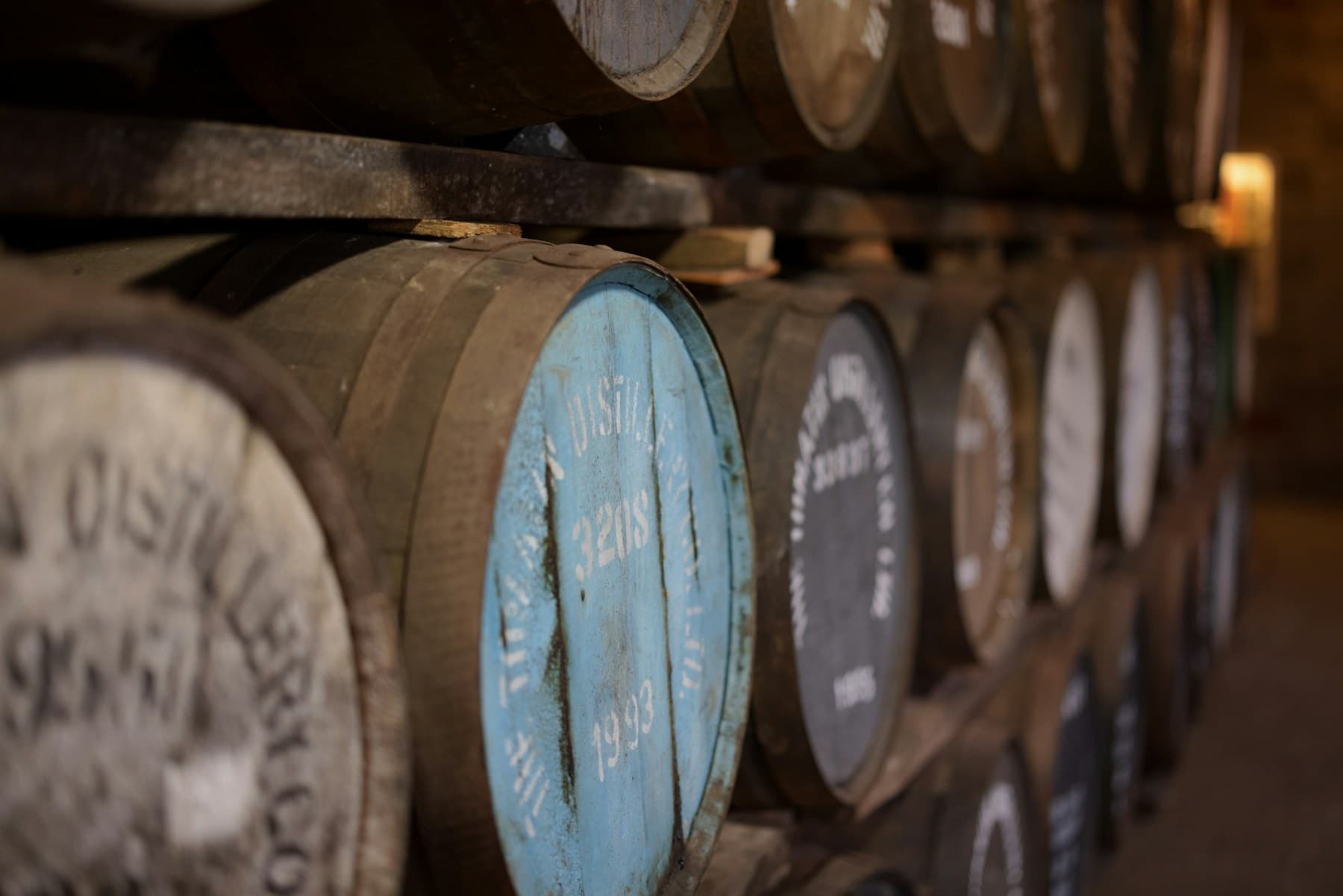
A whole whisky cask or a cask share?
A whole whisky cask and a cask share both relate to maturation in wood. They differ mainly in scope, responsibility and how much of one particular cask you want to follow.
 AI-generated
Considering a whole cask
With a whole cask, one cask story is the full focus. Origin, cask type, storage, bottling timing and practical administration need to be considered together.
Before choosing, it is worth clarifying what information is documented, who organises storage and which steps are needed before a later bottling.
What defines a cask share
A cask share relates to one specific cask without making the full quantity the focus. The public cask page makes provenance, profile and maturation easier to understand.
Selection should be based on distillery, wood, cask profile and personal interest. A future prediction does not belong in a good cask profile.
Questions to ask before choosing
Look for clear information about the cask, storage and the bottling process. It should also be clear which details are public and what is administered in the customer area.
A comparison is useful when it stays transparent. The size of an offer alone matters less than how clearly the cask itself is explained.
Journal
Continue the cask story.
Three carefully chosen reads that add the next useful chapter.
Frequently asked questions
- What is the difference between a whole cask and a cask share?
- Both relate to one specific whisky cask. They differ mainly in the scope of the choice and practical questions around storage and later bottling.
- What should a cask profile include?
- A good cask profile names origin, distillery, cask type, filling, maturation and the available information about a later bottling.